

Translating historical texts is a fascinating yet complex task. Unlike modern translations, where we can rely on standardized terminology and contemporary context, historical texts require a deep understanding of the past era’s language, culture, and societal norms. As a translator, I find this process rewarding and challenging as it involves decoding archaic language, navigating historical context, and considering multiple interpretations.
Archaic Language and Obsolete Terms
One of the biggest hurdles in translating historical texts is dealing with archaic language. Words and phrases that were common centuries ago may have fallen out of use or evolved in meaning. For example, in English, the word “silly” once meant “blessed” or “innocent” before it took on its modern meaning of “foolish.” In Spanish, words like “fermoso” (now replaced by “hermoso”) appear in medieval texts but are no longer in common usage. When translating such words, I often need to decide whether to retain their original form for authenticity or modernize them for readability.
Understanding the Historical Context
Historical texts are deeply embedded in the events, beliefs, and social structures of their time. Without a thorough understanding of the historical background, it is easy to misinterpret a passage. This is especially true for legal, religious, or political documents. A term that held a particular legal status in the 16th century may not have a direct equivalent today, requiring careful explanation or footnotes. I often find myself researching the historical setting to ensure accuracy, consulting experts, or cross-referencing other texts from the same period.
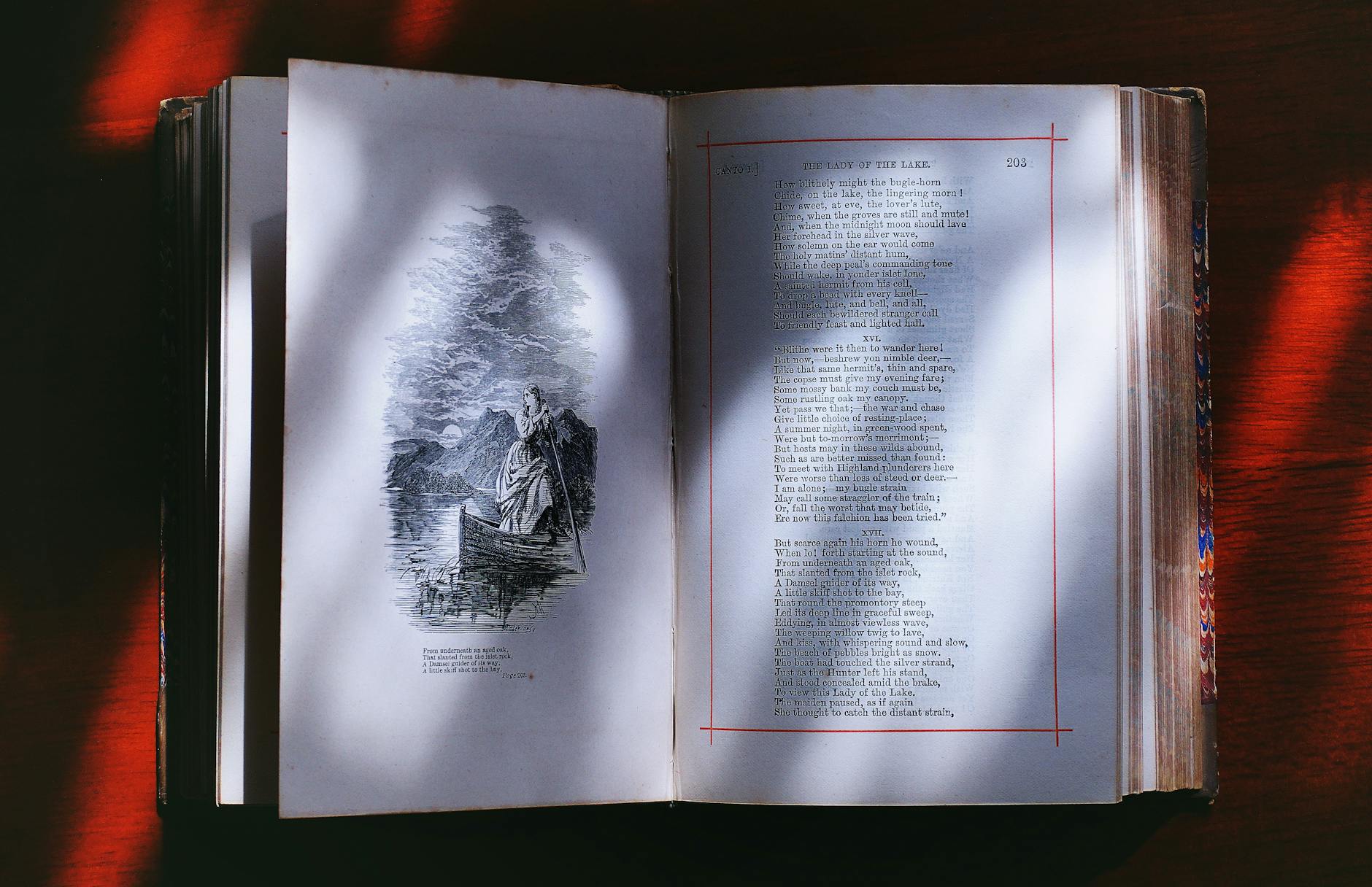
Multiple Interpretations and Subjectivity
Historical texts often contain phrases and expressions that are open to interpretation. This is particularly evident in literary or philosophical works, where meaning can be ambiguous. A single phrase in Latin, for instance, may be translated in multiple ways depending on how a translator understands the author’s intent. The challenge is to balance faithfulness to the original text with clarity for the modern reader. Sometimes, I must choose between a literal translation and one that conveys the intended meaning more effectively.
Striking a Balance Between Authenticity and Readability
A critical decision in historical translation is whether to maintain the original tone and structure or adapt it for modern audiences. Too much modernization can strip a text of its historical essence, while excessive archaism can make it nearly unreadable. I always strive to preserve the spirit of the original text while making it accessible to contemporary readers.
Translating historical texts requires patience, research, and a deep appreciation for language evolution. Despite its challenges, it is incredibly fulfilling to bring the voices of the past to life for today’s readers.
Thanks to Day Translations for sponsoring this post! Make sure to click the link to find out more about the services they offer.
Until next time, take care and stay safe!
XX

 Translation Expert
Very interesting, thank you!
LikeLike
Thank you for reading! I am happy you enjoyed it.
LikeLiked by 1 person