

As a translator, I’ve always been fascinated by the intersection of language and storytelling. Working in the entertainment industry—whether translating scripts, subtitling movies, or adapting dialogue for dubbing—offers an exciting challenge that blends linguistic accuracy with creative adaptation. It’s not just about converting words from one language to another; it’s about capturing emotions, humor, and cultural nuances while ensuring the final product resonates with a global audience.
The Challenges of Entertainment Translation
One of the biggest hurdles in this field is timing. In subtitling, space is limited—viewers need to read and process text quickly while keeping up with on-screen action. This means we often have to condense dialogue without losing meaning. A joke that works perfectly in English might need a completely different setup to land well in Spanish or French.
Dubbing, on the other hand, presents a unique challenge: lip synchronization. When translating dialogue for voice actors, we have to match the character’s lip movements while preserving the essence of the script. This requires a deep understanding of phonetics, rhythm, and pacing. A single mistranslation can turn a dramatic moment into an awkward or even comical one!
For script translation and adaptation, the focus is on maintaining tone and intent. A historical drama will require a different approach than a fast-paced action movie or a fantasy TV series. The goal is to retain the original writer’s vision while making the dialogue feel natural to the target audience.
Creative Aspects of Entertainment Translation
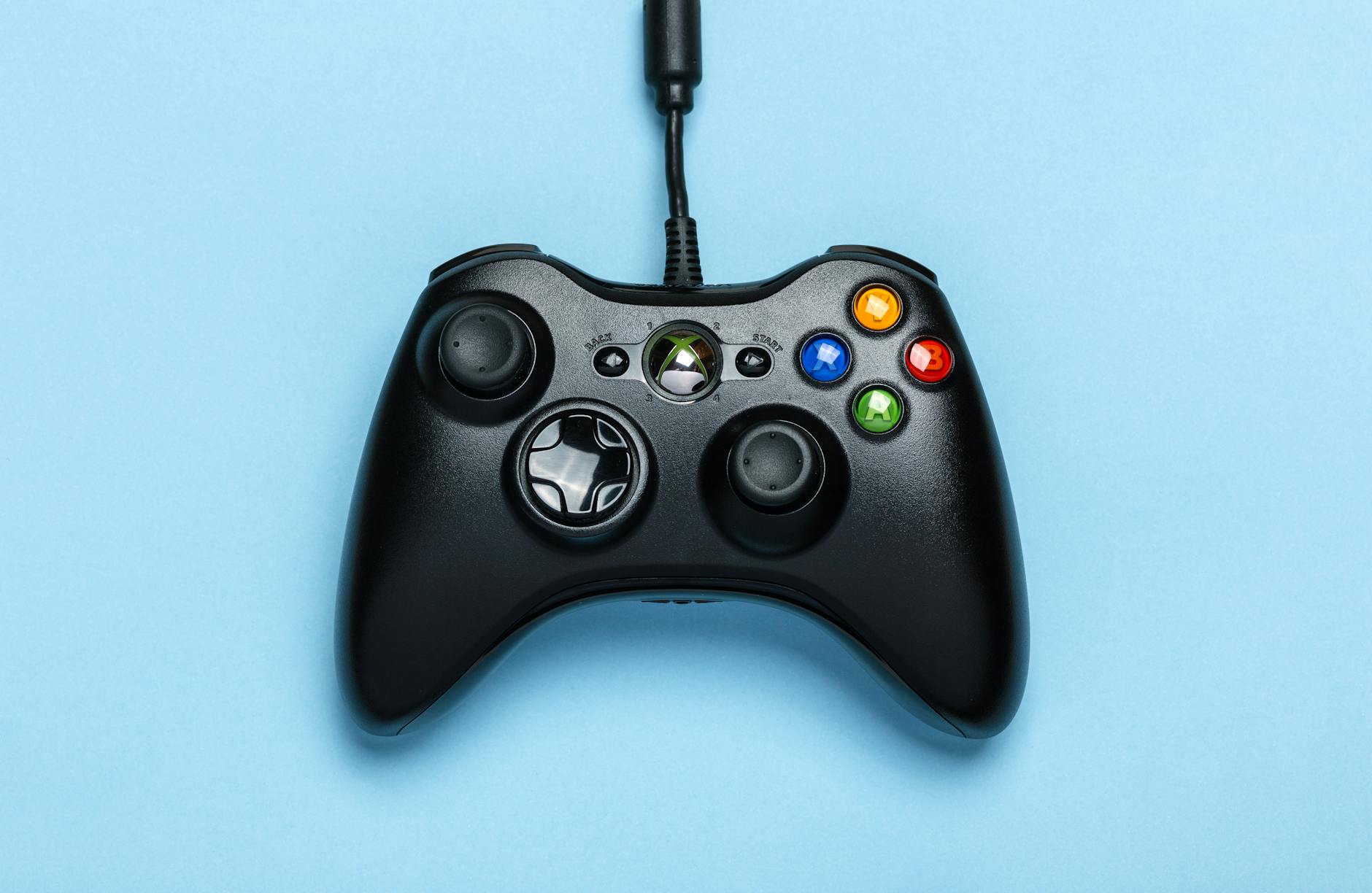
What makes this work so rewarding is the creative element. We’re not just translating; we’re storytellers in our own right. Whether it’s preserving a play on words, adapting slang, or localizing pop culture references, we have to think like writers. In video games, for example, translation goes beyond dialogue—it involves user interface text, character backstories, and sometimes even rewriting jokes to fit cultural contexts.
Moreover, entertainment translation allows us to introduce audiences to stories they might never have experienced otherwise. A well-translated film or game can bridge cultures, making people laugh, cry, and feel connected despite language differences.
Working in this field is demanding, but the reward of seeing your translations bring a story to life for a new audience makes it all worthwhile. Whether it’s a blockbuster film, a hit TV series, or a beloved game, entertainment translation is where language and creativity come together most thrillingly.
Thanks to Day Translations for sponsoring this post! Make sure to click the link to find out more about the services they offer.
Until next time, take care and stay safe!
XX

 Translation Expert