

What Is a Conclave? A Look Into the Vatican’s Most Secretive Event – and the Role of Language Within It
As someone who works with language every single day, I can’t help but be fascinated by the highly ritualized, multilingual, and deeply historical event that is a papal conclave. With the recent passing of Pope Francis, all eyes are now on the Vatican as it prepares for one of the most secretive processes in the world: the election of the next pope.
A conclave, from the Latin cum clave (meaning “with a key”), literally refers to being locked in. And that’s exactly what happens — the College of Cardinals is sequestered within the Vatican, completely cut off from the outside world, until they reach a decision on who the next pope will be. No phones, no internet, no media. Just prayer, ballots, and centuries of tradition.
The process takes place in the Sistine Chapel, under the watchful eyes of Michelangelo’s frescoes. Cardinals cast their votes using handwritten ballots, and once a decision is made, with a two-thirds majority, white smoke rises from the chimney above the chapel. Until then, black smoke signals that no agreement has been reached.
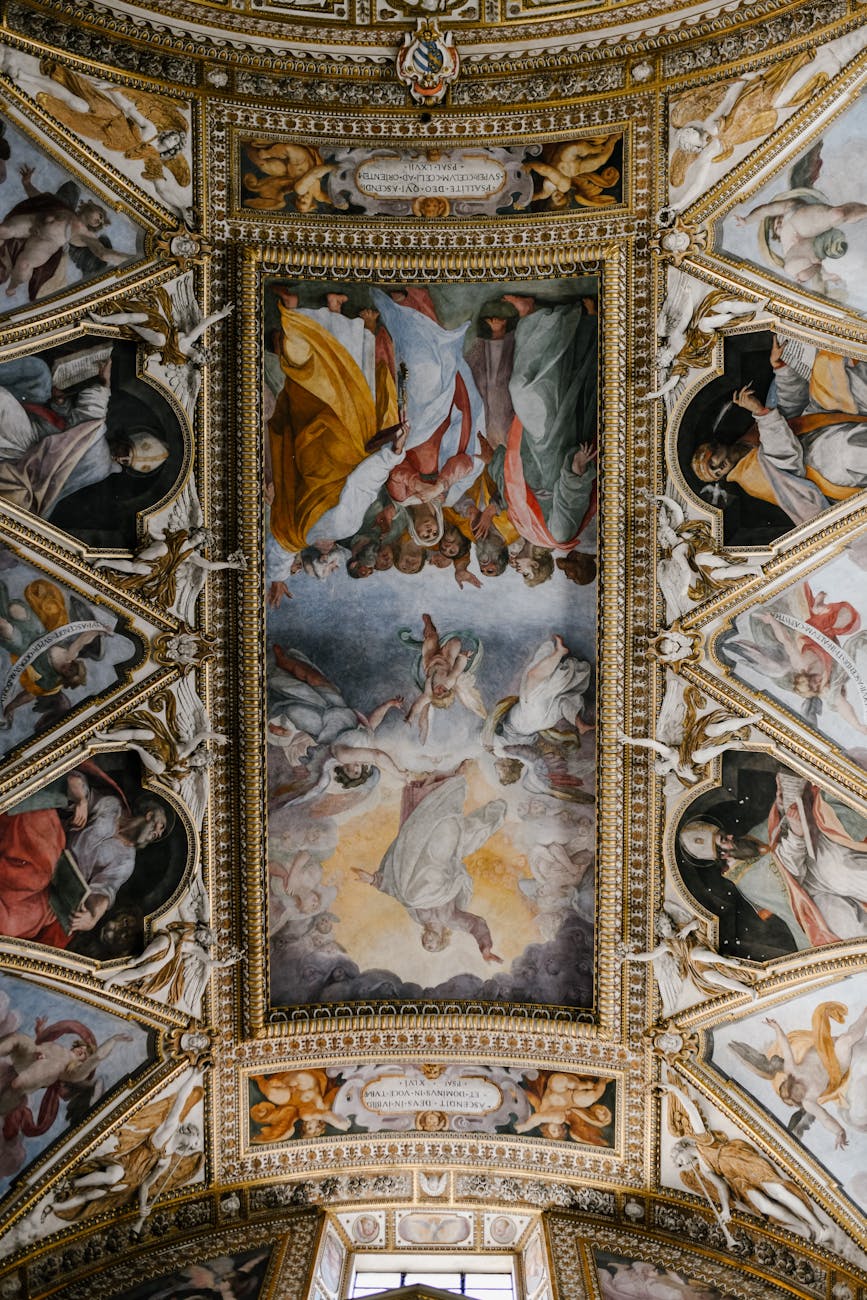
What might surprise some people is just how multilingual the entire process is. Latin, the official language of the Catholic Church, is the default for the prayers, instructions, and formal declarations. But many cardinals, coming from all over the world, speak different native languages — Spanish, Italian, French, English, Portuguese, and many more. Simultaneous interpretation is often used during meetings prior to the conclave, and translators play a vital role in ensuring that every cardinal fully understands the procedures and discussions.
As a translator, I’m especially intrigued by how language carries not only information but also authority and tradition. The final words announcing a new pope, “Habemus Papam” (“We have a pope”), are spoken in Latin — a small phrase with huge global impact. It’s a reminder that language isn’t just a tool for communication; it’s part of the ceremony, the mystery, and the unity of the Catholic Church.
In these coming days, as the world waits for a puff of white smoke, I’ll be watching closely — not just as a curious observer, but as someone who knows firsthand how powerful words can be.
Thanks to Day Translations for sponsoring this post! Make sure to click the link to find out more about the services they offer.
Until next time, take care and stay safe!
XX

 Translation Expert