Every March 8th, the world unites to celebrate International Women’s Day (IWD)—a day dedicated to recognizing women’s achievements, advocating for gender equality, and reflecting on the work that still needs to be done. As IWD 2025 unfolds this year, I find myself thinking about the impact of language and translation in shaping conversations about women’s rights, representation, and empowerment.
The theme for International Women’s Day 2025 continues to emphasize the importance of inclusion, innovation, and equity. Over the years, we’ve seen incredible strides in education, leadership, and workplace equality, but we also know that many challenges remain. Women worldwide still face wage gaps, underrepresentation in leadership, and social and cultural barriers that hinder their growth.
As a translator and content creator, I’ve realized how vital language is in shaping perceptions of gender and equality. Words have power—they can uplift or undermine, include or exclude. Many languages still carry gender biases that affect the way women are perceived in different cultures. As translators, we are responsible for ensuring that the messages we convey promote equity and respect.
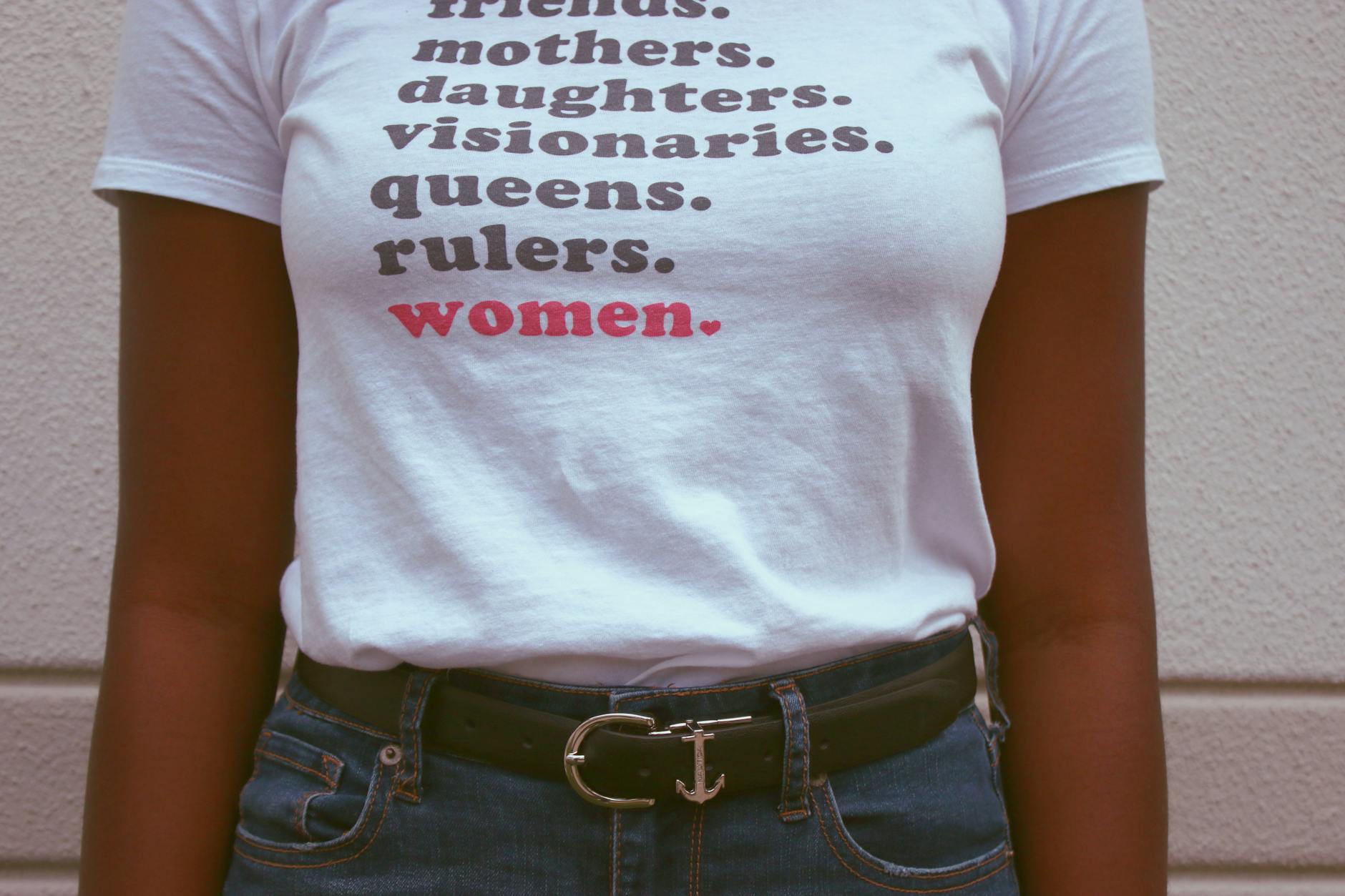
For instance, gender-neutral language is becoming increasingly important in professional and public discourse. Some languages have adapted by creating gender-inclusive terms, while others struggle with deeply ingrained linguistic structures that make neutrality difficult. As someone who works with words every day, I see this as an opportunity to challenge stereotypes and advocate for inclusive communication.
Beyond language, storytelling plays a huge role in amplifying women’s voices. Whether it’s through literature, media, or personal narratives, sharing diverse experiences helps break down barriers and inspire future generations. As translators, we often bring these voices to new audiences, making sure that stories of resilience, ambition, and success reach beyond linguistic borders.
This International Women’s Day, I celebrate not only the progress we’ve made but also the ongoing efforts of those fighting for a more equal world. Whether through advocacy, education, or the simple yet powerful act of choosing our words carefully, we all have a role to play.
Let’s continue translating progress into action—one word, one conversation, and one story at a time. Happy International Women’s Day!
Thanks to Day Translations for sponsoring this post! Make sure to click the link to find out more about the services they offer.
Until next time, take care and stay safe!
XX

 Translation Expert