

Every year on November 21, World Television Day reminds us of the role this once-revolutionary device continues to play in global communication. While TV may seem like just another option in today’s streaming-heavy world, its impact on language, translation, and cross-cultural communication is profound. For those of us in the language field, television has been an invaluable tool for spreading diverse voices, dialects, and ideas across borders.
From the beginning, television has been a window into other cultures, offering people a glimpse into lives vastly different from their own. And as we know, language plays a significant role in how those stories are told. Watching shows from different countries—whether it’s a Korean drama, a Spanish-language telenovela, or a French thriller—viewers gain cultural context through dialogue, accents, and regional expressions. As a translator, I appreciate how TV shows have helped bring languages into the mainstream, inviting curiosity and respect for linguistic diversity.
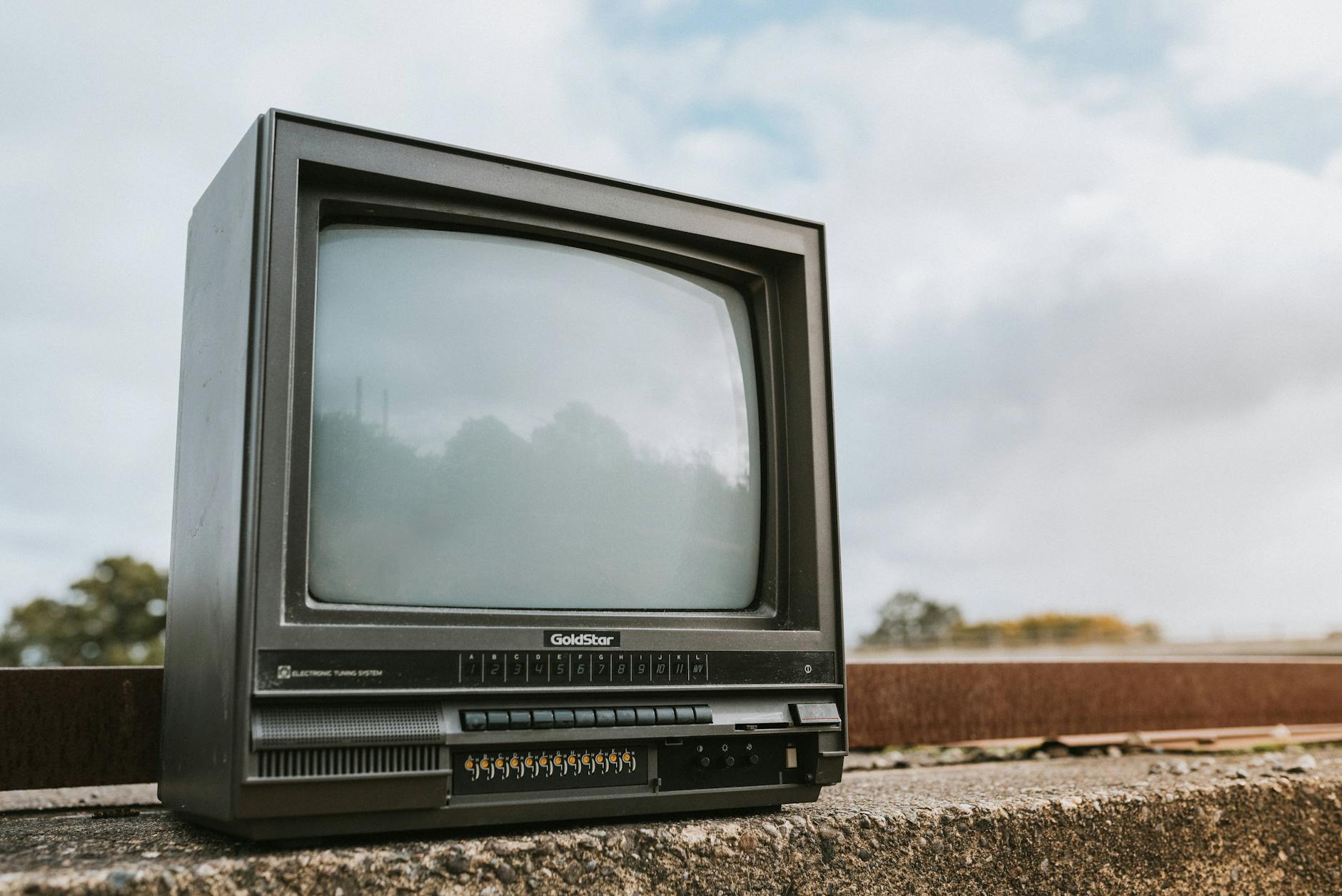
Television has also challenged and shaped language professionals. The growing demand for subtitled and dubbed content allows audiences to watch in their native language, a feat only achievable with skilled translators and localization experts. I find this especially fascinating, as each choice a translator makes—whether it’s adapting a joke or keeping a cultural reference intact—can greatly impact the audience’s experience. Television translation is the art of balancing accuracy with relatability, capturing the heart of a message while keeping it accessible.
And let’s not overlook the role TV plays in language learning. Watching foreign shows or news programs can improve one’s language skills, helping viewers pick up on idioms, accents, and even cultural cues. For those of us who work with languages, it’s rewarding to see how television inspires people to learn new languages and embrace cultural diversity.
World Television Day isn’t just about celebrating the device itself; it’s about recognizing TV as a bridge that connects people through stories, news, and entertainment, regardless of their backgrounds. It’s an opportunity for us to acknowledge the translators and editors behind the scenes who work tirelessly to bring these narratives to life, often navigating cultural nuances that require both linguistic skill and cultural sensitivity.
In a world that sometimes feels more divided than ever, television continues to be a unifying force, reminding us of our shared human experiences. As a language professional, I’m grateful for its role in advancing communication, fostering empathy, and making the world just a little more connected.
Thanks to Day Translations for sponsoring this post! Make sure to click the link to find out more about the services they offer.
Until next time, take care and stay safe!
XX

 Translation Expert