

The fourth edition of The Linguist Magazine delves into an area that may seem outside the usual focus of a language lover: programming languages. At first glance, it might be hard to see how Python or Java relate to the translation of human languages like Spanish or Mandarin. But programming languages are becoming an increasingly important part of the global linguistic landscape, especially in today’s digital-first world.
As a translator and content creator, I’m always fascinated by the interplay of languages, and programming languages are no different. They are, after all, the languages that power our digital lives—from the apps on our phones to the websites we browse and the technology we use for work and play. This edition of The Linguist Magazine explores not just the syntax and structure of programming languages, but also their role in bridging communication gaps between humans and machines.
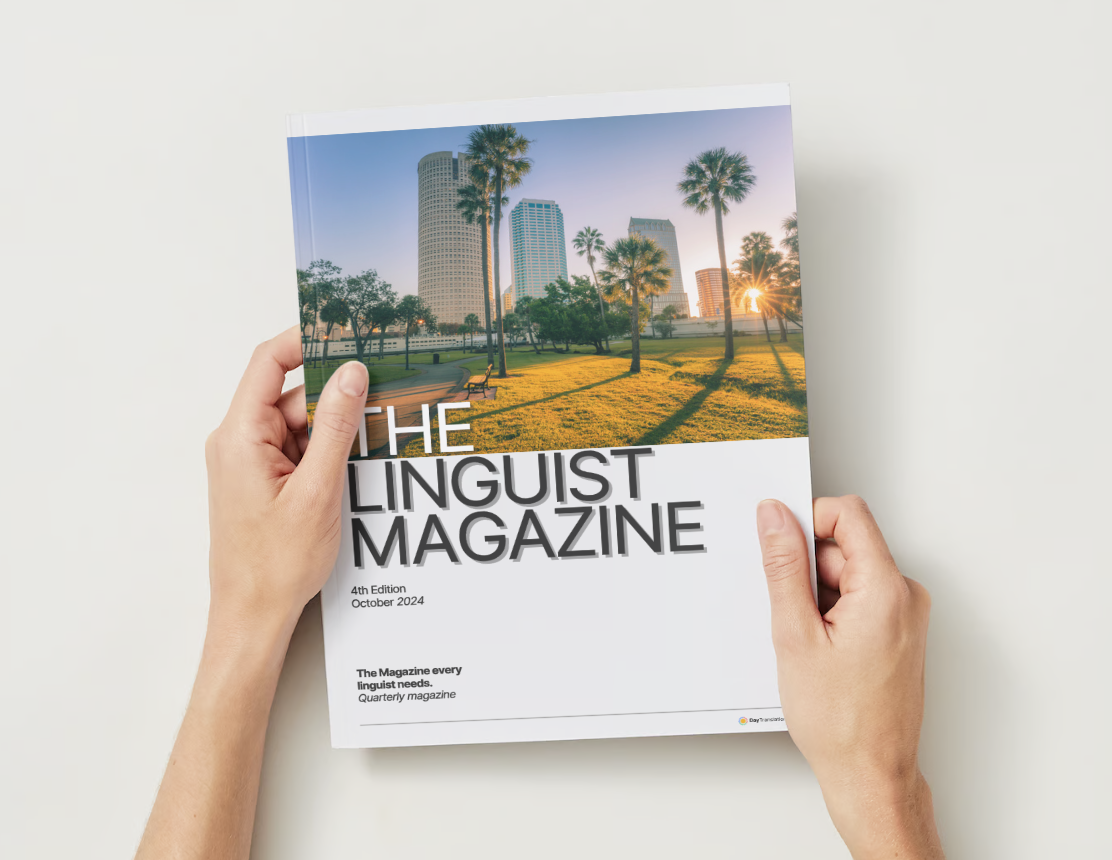
What stood out to me in this edition is the focus on the similarities between learning a spoken language and learning a programming language. Both require understanding rules, vocabulary, and structure. When I think of programming languages in this way, it makes sense that so many linguists find themselves intrigued by coding. The issue also touches on the role of localization in the tech world. Just like any other product, software needs to be adapted to fit cultural and linguistic contexts. As businesses increasingly operate across borders, there’s a growing need for professionals who understand both human languages and coding languages.
The magazine highlights a number of programming languages like Python, JavaScript, and Swift, with a focus on how each one is used in specific industries and regions. Python, for example, has become a favorite in the fields of AI and machine learning, which are becoming critical in translation and language services. These tools are making tasks like machine translation and language processing more efficient, which directly impacts my field.
Reading this edition helped me realize that as translation professionals, understanding programming languages, even at a basic level, can give us an edge in a tech-driven world. It’s not just about speaking multiple languages anymore—it’s also about being able to “speak” to the machines that are part of our everyday lives.
Thanks to Day Translations for sponsoring this post! Make sure to click the link to find out more about the services they offer.
Until next time, take care and stay safe!
XX

 Translation Expert