

Hey there, fellow language enthusiasts and translation aficionados! Today, I want to delve into a topic that’s close to my heart – diversity and inclusion in the world of translation.
As a freelance translator, I’ve had the privilege of working with a diverse array of languages and cultures. It’s a fascinating journey, and it’s made me acutely aware of the richness that diversity brings to our field. Translation is not just about converting words from one language to another; it’s about bridging cultural gaps and fostering understanding.
Within the translation community, diversity is a striking characteristic. Translators come from all corners of the globe, representing a multitude of languages and backgrounds. This diversity isn’t just a statistical fact; it’s a powerful asset that enriches our work. It enables us to provide translations that are not only accurate but also culturally sensitive.

Inclusion is equally vital. It means giving voices to all, irrespective of their linguistic or cultural background. It involves recognizing the worth of languages and dialects that have been historically overlooked. Inclusion means creating a welcoming space where translators from all walks of life can thrive.
When we talk about diversity and inclusion in translation, we’re essentially discussing how these principles are embedded in the very essence of our work. It means understanding that languages are not just systems of communication; they’re vessels of culture, history, and identity. By embracing this diversity, we can craft translations that resonate deeply with diverse audiences.
Moreover, inclusive translation practices extend to the materials we choose to translate. It’s about giving due importance to works from underrepresented cultures and languages. This isn’t just about translating; it’s about cultural exchange and empowerment.
Now, in the world of social media, brevity often rules the day. But that doesn’t mean we can’t champion diversity and inclusion. As someone who prepares texts for social media posts, I see this as an opportunity to make a difference. Let’s create concise yet impactful messages that celebrate diversity, encourage inclusivity, and foster cross-cultural understanding. Hashtags, emojis, and visuals can help convey messages that transcend language barriers and resonate globally.
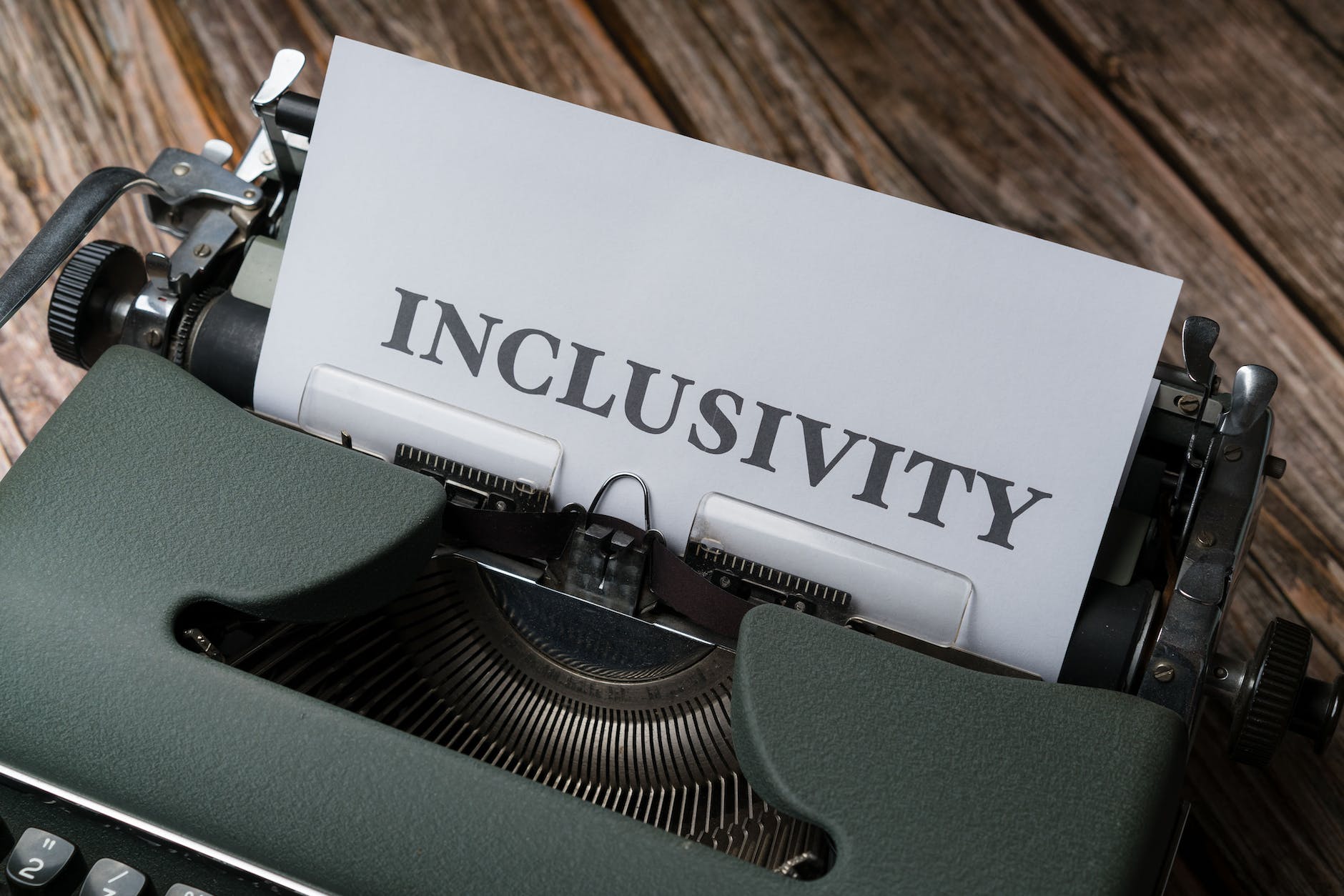
As a content editor, it’s a chance to lead by example. Ensuring that the content I edit adheres to inclusive language principles is non-negotiable. I’ll suggest alternative wordings when needed to avoid biases or stereotypes. I’m here to champion diverse voices and perspectives in the content I curate.
And let’s not forget about my blog. It’s my space to share insights, personal experiences, and success stories that emphasize the importance of embracing diversity in the translation industry. Engaging with my readers, encouraging discussions, and inspiring fellow translators to champion diversity and inclusion – that’s the goal.
In a nutshell, diversity and inclusion are not just ideals; they’re the lifeblood of our profession. As translators, content editors, and language enthusiasts, we hold the power to shape narratives, bridge language gaps, and build cultural bridges. Let’s embrace diversity, champion inclusion, and let our work be a testament to the transformative power of language and translation in our interconnected world.
Thanks to Day Translations for sponsoring this post! Make sure to click the link to find out more about the services they offer.
Until next time, take care and stay safe!
XX

 Translation Expert