

As a translator, I’m always fascinated—and slightly horrified—by stories of how a simple mistranslation has managed to stir up diplomatic tension, confuse entire cultures, or just cause a good laugh. It’s a reminder that our work isn’t just about words—it’s about meaning, nuance, and sometimes, avoiding international incidents.
One of the most infamous examples comes from 1945, when Japan was given the Potsdam Declaration, demanding its surrender in World War II. Japan’s Prime Minister at the time used the word “mokusatsu” in a press conference, which can mean “to ignore” but also “to withhold comment.” It was mistranslated as “ignore,” and the Allies took it as a rejection—helping to justify the bombings of Hiroshima and Nagasaki. A tragic example of how high the stakes can be when meaning is lost in translation.
On the lighter side, there’s the tale of the 1950s Pepsi slogan “Come alive! You’re in the Pepsi generation,” which was translated into Mandarin as something like “Pepsi brings your ancestors back from the grave.” Definitely not the kind of marketing buzz you want in a culture that holds deep reverence for its ancestors.
Even famous figures have been misquoted due to translation. When Khrushchev supposedly said, “We will bury you” during the Cold War, it sent shivers down the spines of Western leaders. But what he actually meant was more like, “We will outlast you”—still competitive, but far less threatening.
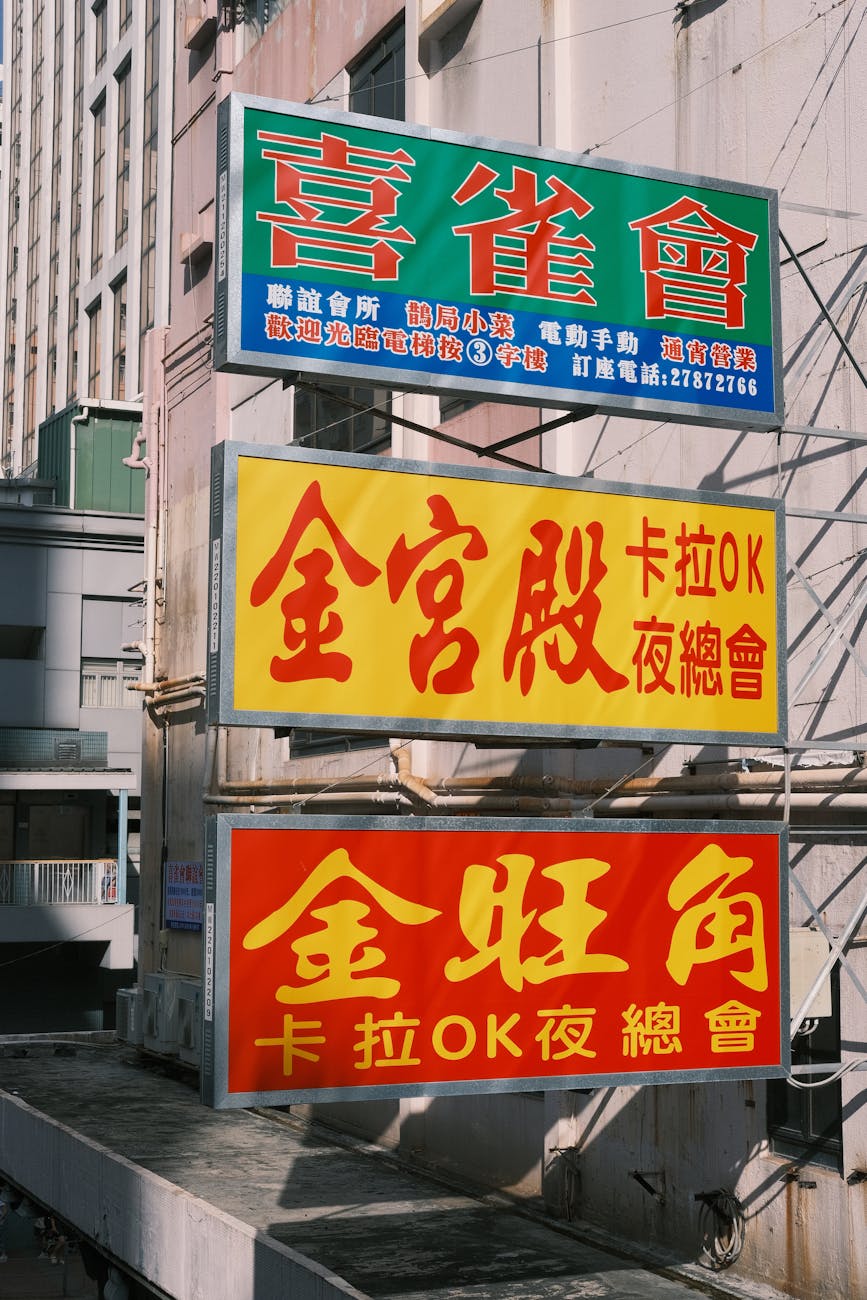
Then there’s the hilarious case of signs and menus: from “electronic rape” instead of “electronic wrapping” on a Japanese product label, to “translation server error” showing up on a Chinese restaurant sign instead of the actual name. I admit, those always make me laugh… after I cringe a little.
These stories are fun to tell, but they also highlight why our job as translators is so important. Language isn’t just a tool—it’s a bridge. And if we’re not careful, that bridge can collapse, taking context, meaning, and sometimes peace along with it.
So here’s to doing our part to keep communication clear—and to learning from the times it hilariously (or disastrously) didn’t work out!
Until next time, take care and stay safe!
XX

 Translation Expert